Blog


BRSR Gap Assessment: Moving Beyond Compliance to ESG Readiness

BRSR Gap Assessment framework infographic showing ESG data maturity mapping against SEBI BRSR Core requirements

For most listed companies in India, BRSR reporting has traditionally been viewed as an annual compliance ritual a template to be filled, a box to be ticked, and a report to be filed before the deadline. That era is over. BRSR reporting is no longer just an annual disclosure exercise. It is becoming a test...

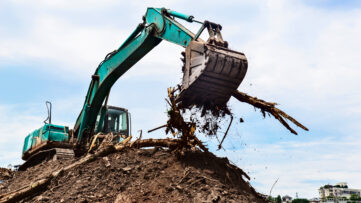
Mandatory EPR for Construction & Demolition Waste, India’s Biggest Shift in Building Compliance Starts April 1, 2026

C&D waste rules 2016 vs 2025: shift from quantity-based to EPR + penalties

Mandatory EPR for C&D Waste in India: Compliance Guide for 2026 India’s construction sector is entering a new era of accountability. Under the Construction & Demolition Waste Management Rules, 2025, the government has introduced a legally binding Extended Producer Responsibility (EPR) framework for large-scale projects. This is no longer voluntary it is a precondition for...

Green Audit of Trichy Institution Saves 524t CO2

Sustainability:  A Deep Dive into the Energy & Green Audit of a Premier Trichy Institution At Conserve Consultants, we believe that true institutional excellence is no longer measured by academic accolades alone. It is increasingly defined by a commitment to environmental stewardship, resource efficiency, and a sustainable future. Our recent engagement with a prestigious, heritage...

Understanding the Three Types of Ecolabels: A Guide for Green Building Professionals

Infographic showing three types of ecolabels - Type I certification mark, Type II verified claim, and Type III Environmental Product Declaration with lifecycle stages

What Are Ecolabels and Why Do They Matter? Environmental labels are broadly categorized into 3 types based on international standards. Type I Ecolabel – Certification-Based Sustainability Label (e.g., GreenPro, GRIHA PC) Type I ecolabels are third-party certifications that verify that a product meets predefined environmental performance criteria within its category. These labels typically evaluate multiple...

The Elephant in the Room: Why Embodied Carbon is Reshaping Sustainable Construction

Infographic showing the breakdown of embodied carbon versus operational carbon in a building lifecycle.

What is Embodied Carbon and Why Does It Matter? Embodied carbon, the greenhouse gas emissions from raw material extraction, manufacturing of products, transport to construction site and installation in site is now a critical metric in sustainable construction strategy. Traditionally, the industry has focused on operational carbon, but as energy systems and grids decarbonize, embodied...

Strategic Imperative: Mastering Water Quality for Business & Well-being

Laboratory technician performing water quality analysis to test for contaminants and ensure safe drinking water standards.

Ensuring optimal drinking water quality isn’t just a compliance checkbox; it’s a strategic imperative that directly impacts occupant health, ensures regulatory compliance, and builds a foundation of profound occupant trust. Water can appear pristine yet still harbor invisible pathogens (E. coli), chemical contaminants (like arsenic), or industrial pollutants. This represents a significant, often undetected, operational risk.  Regular testing, a best...


Click here to access